How Clinics Keep Your Hearing Devices Maintained and Updated
Leaving your fitting appointment doesn’t mean you won’t see your


By: admin | April 22, 2026
Spring has a way of bringing things back to life, and for a lot of people that also means the return of sneezing, itchy eyes and that familiar stuffed-up feeling that settles in for weeks. Most of us think of seasonal allergies as a nose and throat problem, but the ears are more involved than people tend to realize.
When congestion builds up, it can create pressure in the middle ear that changes how clearly you hear, sometimes enough to make conversations feel muffled or distant, even when nothing else seems obviously wrong. It is an easy thing to miss because the connection between allergies and hearing is not one that comes up much in conversation.
Usually, you will notice subtle changes first. The TV volume goes up or you ask people to repeat themselves and blame it on noise or fatigue. If you use hearing aids, seasonal allergies can affect their performance and the change isn’t always clear.
That’s part of why spring can be a reasonable time to pay attention to your hearing – not because something is necessarily wrong, but because your ears may be dealing with more than usual this time of year.
The connection between allergies and hearing is not something most people think about until they are sitting in a room where everything sounds like it is coming through a wall.
When your immune system reacts to allergens like pollen, dust or mould, it triggers inflammation and more mucus throughout the upper respiratory system. This includes the Eustachian tube, which connects the back of your throat to your middle ear.
When that tube is swollen or blocked, it can’t regulate ear pressure well, causing fullness, muffled sound or intermittent low-level ringing. These effects are easy to miss because they aren’t as obvious as congestion or sneezing.
In the spring, you might find yourself asking people to repeat things more often or noticing that speech doesn’t come through quite as clearly, and it’s easy to put that down to being a bit tired or distracted. But those changes can often be tied to what’s happening physically in and around the ear at that time of year, not just how you’re feeling overall.
When your nasal passages are congested, the effects don’t always stay limited to your nose. The ears, nose and throat are all connected through a network of passages and when one part gets inflamed or blocked, the others can feel it too.
The Eustachian tube runs between the middle ear and the back of the throat. It’s particularly sensitive to swelling or blockage from congestion. When blocked, it can affect middle ear pressure and alter how clearly sound is heard.
For a lot of people this shows up as a muffled quality to sounds, a feeling of fullness in the ear or the sense that everything around you has gotten a little quieter than usual. It can make following a conversation feel more effortful than normal or make your own voice sound strange to you.
The important thing to know is that this kind of hearing change is usually temporary and directly tied to the congestion itself, meaning it tends to ease as your symptoms do. That said, you should keep track of how long you have had these symptoms, especially if they linger longer than you would expect or keep coming back each allergy season.
Middle ear fluid can result from a cold, an allergy flare or other illness, affecting how sound travels through your ear. It may vary daily, depending on pressure, congestion or ear health.
Some of the more common ways middle ear fluid build-up can affect you include:
If your hearing seems muffled or you feel fullness in your ears during allergy season, allergies may be affecting your hearing. Other signs include itching inside the ears, popping sounds when swallowing or occasional mild ear pain.
Sometimes allergy-related hearing changes are mistaken for other issues, so ignoring these signs could lead to longer-lasting problems. Tracking these symptoms each year helps you understand how allergies may impact your ears.
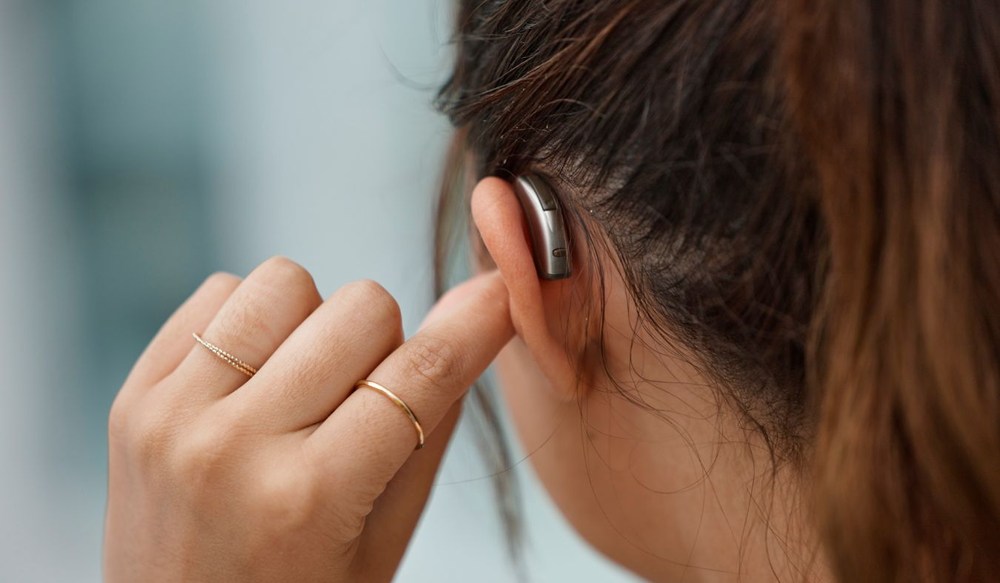
Spring can bring new challenges for hearing aid wearers, especially when pollen and moisture levels rise. Excess airborne allergens can lead to increased earwax and moisture, which may cause feedback or muffled sound from your devices.
Humidity and sudden rain showers can also affect how well hearing aids work, sometimes causing static or shorter battery life. Outdoor activities in spring often mean your devices need cleaning more often than usual. While spring is a great time to be active outside, it is important to check your hearing aids for moisture or pollen buildup more often.
Spring is often when people first notice their hearing feels a little different, especially during allergy season, when congestion or pressure can affect how sound comes through.
It is easy to assume it is just seasonal and will pass once things settle, but that is not always the case, particularly if fluid or irritation has been lingering over time. A spring checkup gives you a more current reference point, so you are not left trying to compare how things sound now to how they felt months ago.
There is also value in looking at hearing during a time of year when your ears may already be dealing with added strain. If everything is functioning as expected, that can simply confirm what you’re experiencing day to day.
If there are changes that don’t align with seasonal factors alone, having that information earlier in the year gives you a clearer picture of what’s going on rather than waiting for things to be noticed much later.
During a spring hearing checkup, an audiologist will ask about any recent changes in your hearing, especially if you have allergy symptoms. We will look inside your ears, check for fluid or wax buildup and test how well you hear different sounds.
Scheduling a spring checkup can help you better understand whether any changes you’re noticing are temporary or part of something more ongoing.
It also gives us a chance to make sure your hearing aids are functioning as they should and to talk through any ear-related concerns that tend to come up during allergy season. Even mild, on-and-off symptoms can be harder to capture during testing, which is why timing and context matter when assessing your hearing.
Protect your ears this spring by managing allergy symptoms. Close windows on high-pollen days. Use air purifiers at home to reduce exposure to allergens. After being outdoors, wash your hands and face to remove pollen that could irritate your ears.
Take approved allergy medications as directed by your general practitioner to reduce congestion and pressure in the ears. Clean your hearing aids often during allergy season to prevent wax or moisture buildup that can affect how well they work.
Spring can be a good time to schedule a hearing checkup because it often lines up with changes in routine and environment.
As you spend more time outside and re-engage in social activities, it becomes easier to notice how hearing is functioning in a wider range of situations than during the winter months. It’s also a time of year when seasonal factors like allergies or lingering congestion may still be present, which can influence how clearly sound is perceived in different environments.
Another helpful time to consider a spring checkup is when you start to notice changes in communication, like needing more focus during conversations or feeling like certain environments take more effort to keep up with. Even if those changes seem minor, they can stand out more as activities become busier again.
During allergy season, taking care of your ears at home usually comes down to a few small habits that help cut down on exposure to pollen and other irritants. They might seem simple, but they can make a real difference in how your ears and sinuses feel when allergy levels are high.
After you’ve been outside, washing your hands and face can help clear away any pollen that’s collected without you really noticing.
It also helps to gently clean around the outside of your ears, keep hearing aids dry if you use them and skip cotton swabs in the ear canal since they can do more harm than good. Inside the home, an air purifier can help reduce what’s floating around in the air, which may take some of the pressure off during peak allergy season.
Seasonal allergies are something many people are used to managing, so it is easy to assume any changes in hearing during that time are only temporary. What can be harder to notice is that these changes do not always fully settle once allergy season passes, and it is not always clear where short-term effects end and something more ongoing begins.
Paying attention to your hearing during this time is not about assuming there is an issue, but about understanding how your ears are functioning when they are already dealing with a bit more strain than usual, which can make it easier to recognize what is typical for you in the long run.
If you have questions about how allergies may be affecting your hearing or would like to schedule a spring checkup, our team at the Hearing Care Clinic is here for you. You can reach us in Chemainus at (250) 830-5062, Duncan at (250) 739-7153, Mill Bay at (250) 741-2979 or in Victoria at (236) 475-5426. We are here when you are ready to take a closer look and find the right solutions for your specific hearing needs.
Tags: faqs

Leaving your fitting appointment doesn’t mean you won’t see your
By: admin | September 21, 2026
Spring has a way of bringing things back to life, and for a lot of people
By: admin | April 22, 2026
Think about how many different places you go in a single day and how the
By: admin | February 20, 2026