How Clinics Keep Your Hearing Devices Maintained and Updated
Leaving your fitting appointment doesn’t mean you won’t see your

By: admin | February 20, 2026
Think about how many different places you go in a single day and how the sound changes in each one. Your quiet bedroom in the morning, the kitchen with the coffee maker going, your car with road noise, a busy office, a crowded lunch spot, back home in the evening.
If you’re wearing hearing aids that can’t keep up with those changes, you’re either constantly reaching up to adjust them or just accepting that some of those places are going to be harder to hear in than others.
Neither option is great, and both mean you’re spending mental energy managing your devices instead of just using them.
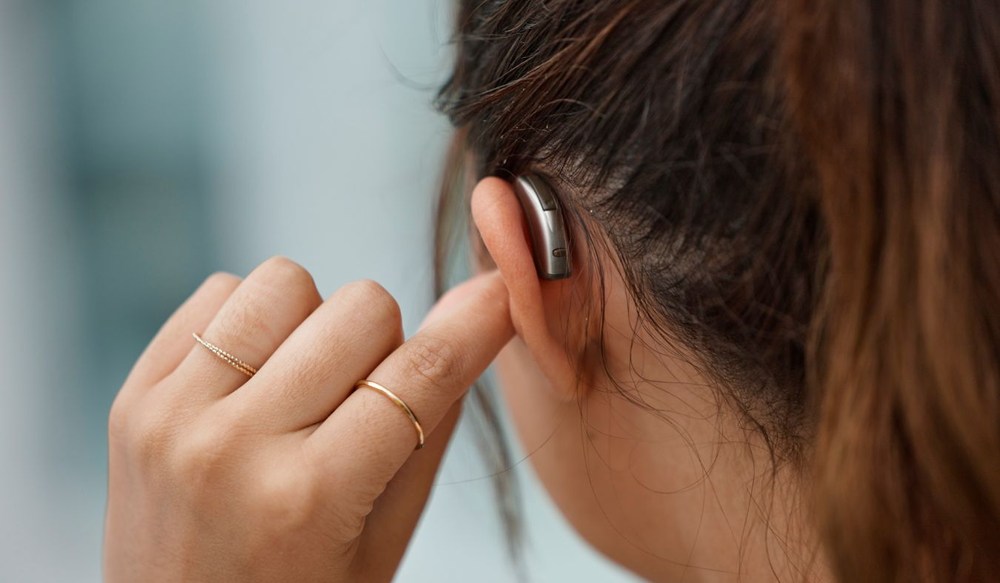
Smart hearing aids pick up on these environmental shifts and handle the adjustments on their own. You walk into a noisy restaurant and the devices sense it and respond. You sit down for a quiet one-on-one conversation and they adapt to that too. You’re not doing anything.
The technology is reading the room and making changes in real time, so you can actually focus on what’s being said instead of thinking about your hearing aids.
For people who’ve been manually switching settings for years or just dealing with subpar sound in certain situations, having devices that work with you as you move through your day makes a real difference in how natural and effortless wearing hearing aids feels.
Modern hearing aids use digital technology to provide clearer, more natural sound. Many models now connect directly to smartphones or TVs using Bluetooth, allowing you to stream calls and music straight to your ears. This makes it easier to stay connected with family and friends.
Rechargeable batteries are another helpful feature, removing the need to handle small batteries every few days. Placing your hearing aids in their charger overnight ensures they are ready for a full day of use, which is especially useful if you have trouble managing tiny battery doors.
When selecting a hearing aid, ask about features like background noise reduction and directional microphones. These can help you hear better in busy places like restaurants or shopping centres.
Smart hearing aids use tiny microphones and built-in computer chips to listen to the sounds around you. These devices quickly measure background noise, speech and sudden loud sounds.
Your hearing aid can determine if you are in a quiet room, a noisy street or a crowded restaurant by analysing these sound patterns. The settings then adjust automatically to help you hear voices more clearly and reduce unwanted noise.
This technology reduces the need for you to change settings by hand as your environment changes. It can make social situations easier and help you feel more at ease in different places throughout your day.
Microphones are a key part of every hearing aid. They pick up sounds from your surroundings and send them into the device, where the sounds are processed and made clearer for you to hear.
The quality and design of these microphones affect how well you hear different noises, especially in busy or loud places.
Some hearing aids have more than one microphone. This allows the device to detect which direction sounds are coming from, helping it focus on speech and reduce background noise. These microphones work with other features to give you a better listening experience in many types of environments.
Automatic volume adjustment is a valuable feature in many modern hearing aids that helps keep sounds at a comfortable level wherever you are.
These devices sense changes in your environment and adjust the volume for you, removing the need to do it yourself. Features include sensors that detect when things get louder or quieter, settings that balance soft and loud sounds, and technology that lowers sudden noises like clanging dishes or honking horns.
You can move from a quiet room to a busy street without worrying about sounds becoming too loud or too soft.
Managing background noise is one of the most useful features found in many modern hearing aids. These devices use technology to separate speech from unwanted sounds, like traffic or chatter at the store. This helps you focus on conversations, even when there is a lot happening around you.
Some hearing aids include directional microphones and digital noise reduction systems. Directional microphones pick up sounds from in front of you while lowering the volume of noises coming from other directions.
Digital noise reduction identifies steady background noises and makes them less noticeable, so voices stand out more clearly.
Using these built-in features can make daily listening less tiring. You may find it easier to keep up with friends and family in noisy places when your hearing aid manages background sounds for you.
Speech enhancement is a feature in many hearing aids that helps make voices clearer during conversations. This technology helps you understand words better, especially when there is background noise.
Hearing aids with speech enhancement focus on the sounds of speech and make them stand out from other noises. This can make talking with friends or family less tiring and more enjoyable.
When speech is easier to hear, joining group conversations or taking part in meetings becomes less stressful. These improvements can help support your confidence in social situations and make daily communication feel smoother.
Wind noise can be a common issue for people who wear hearing aids, especially outdoors. Strong gusts of wind create loud, rushing sounds that make it harder to hear speech and other important noises.
Many modern hearing aids now include technology to help reduce wind noise. Features that may help include wind noise reduction settings that automatically lower wind sounds, microphone covers or screens designed to block wind, and adaptive microphones that switch direction when wind is detected.
When choosing a hearing aid, check if these features are available: automatic wind noise reduction, special microphone design and software updates for better performance in windy conditions. These options can make outdoor activities more comfortable by helping you hear voices and sounds more clearly, even when the weather is breezy.
Feedback and whistling can occur with hearing aids, especially if something gets too close to your ear or the device is not fitted well. Modern hearing aids use automatic feedback cancellation systems to stop these high-pitched noises before you notice them. This technology works in real time to keep your listening experience comfortable and clear.
To help prevent feedback, make sure your hearing aids fit snugly and are inserted properly each time you wear them. Keeping the devices clean and free of earwax also lowers the chance of whistling. If you wear hats or scarves, check that they do not press against your hearing aids, as this can sometimes cause unwanted sounds.
Bluetooth features in hearing aids allow you to connect directly to smartphones, tablets and other electronics. This gives you more control over sound settings and lets you adjust volume or programs using an app on your phone.
With Bluetooth, you can stream phone calls, music or TV audio straight to your hearing aids for clearer sound. Many apps also let you fine-tune settings like treble and bass or switch between listening programs without touching the hearing aid itself. To get the most out of these features, keep your device’s software updated and make sure Bluetooth is turned on both in your hearing aid and on your phone before use.
Using smart features on your hearing aids means battery life becomes more important. Features like Bluetooth streaming, automatic adjustments and noise reduction use more power than basic listening modes.
Rechargeable hearing aids are designed for these extra energy needs, but you may still notice the battery runs down faster when using advanced features for long periods. If you use disposable batteries, carrying a few spares helps avoid unexpected shut-offs during busy days.
Knowing how different settings affect battery life helps you plan ahead and get the most out of your devices each day. With some planning, you can enjoy all the benefits of modern hearing aids without worrying about losing power at an inconvenient time.
Automatic settings in hearing aids are designed to adjust throughout the day as your surroundings change. From quiet mornings at home to busy afternoons out and about, these settings work in the background to help sound stay comfortable and usable.
Giving yourself time to settle into these adjustments can make daily wear feel easier and more predictable. If your hearing aids are adjusting automatically, a few simple habits can help those changes feel smoother as your day unfolds:
Smart hearing aids come with many features working behind the scenes, and it’s not always clear how those settings are tailored to you.
You can get clearer answers and ensure your devices match your daily life by knowing exactly what to ask during appointments. A good conversation often prevents frustration later and makes ongoing adjustments feel more intentional.
These questions can help guide your conversation with your audiologist about smart hearing aids:
Clear questions lead to clearer expectations. You can make sure your hearing aids actually fit your lifestyle by staying involved in the conversation. This keeps your routine on track and saves you from a lot of unnecessary guesswork or constant tweaks.
Smart hearing aids are designed to automatically adjust to your environment, helping you hear clearly whether you are at home, outdoors or at a party. These features support better conversations and more comfortable listening throughout your day.
If you have questions about how these technologies work or want advice on which options might suit your needs, our team is available to help.
For more information about automatic adjustments or to book an appointment for personalized advice, contact us at any of our British Columbia locations, including: Chemainus at (250) 830-5062, Duncan at (250) 739-7153, Mill Bay at (250) 741-2979 or Victoria at (236) 475-5426.

Leaving your fitting appointment doesn’t mean you won’t see your
By: admin | September 21, 2026

Spring has a way of bringing things back to life, and for a lot of people
By: admin | April 22, 2026
Think about how many different places you go in a single day and how the
By: admin | February 20, 2026