How Smart Hearing Aids Automatically Adjust to Your Environment
Think about how many different places you go in a single day and how the


By: admin | December 3, 2025
Communication happens constantly throughout your day, often without you even thinking about it. You chat with your neighbor while getting the mail, follow along during work meetings and catch up with friends over coffee. When hearing loss makes these interactions more challenging, it’s natural to feel less sure about jumping into conversations or worried about missing important information. You might find yourself nodding along even when you didn’t quite catch what someone said, or hesitating before speaking up in group discussions. These small changes in how you communicate can gradually affect your relationships and social life.
What many people don’t realize is that hearing difficulties often lead to pulling back from social situations, sometimes without even meaning to. You might start turning down invitations to noisy restaurants, avoiding phone calls or feeling worn out after trying to follow conversations in busy places. This isn’t about becoming antisocial. It’s about managing the extra effort it takes to communicate when hearing is challenging. The encouraging news is that recognizing how hearing loss affects your social interactions is the first step toward finding solutions that help you stay engaged with the people and activities that matter to you.
Hearing loss usually starts so slowly that you might not even notice it at first. It can affect one ear or both, and certain sounds tend to get harder to hear before others. High-pitched sounds, like birds chirping, children’s voices or the ring of your phone, are often the first to fade. Early on, it might just feel like you’re missing bits of conversations in noisy places, and it’s easy to chalk it up to background noise or aging rather than thinking it could be hearing loss.
As time goes on, sounds start to feel quieter and less clear. Speech can become muffled, and some consonants, like “s,” “f,” or “th,” might be tough to catch. You might find yourself asking people to repeat themselves more often or turning up the volume on the TV or phone. The brain tries to fill in the gaps, which can lead to misunderstandings or mishearing words.
Hearing loss can creep up over months or years, depending on things like age, genetics, noise exposure or health conditions. Some cases happen suddenly, but gradual changes are much more common. Left unaddressed, it can start to affect everyday life, from conversations with friends to staying on top of daily routines. Spotting these changes early and talking with a hearing professional can make a big difference in keeping your hearing sharp and communication easy.
You may first notice hearing loss symptoms during daily conversations. Asking others to repeat themselves or feeling like people are mumbling can become more common. Noisy environments, like restaurants, can make it even harder to follow along.
These experiences can lead to missed details and frustration for both you and those around you. Over time, you might feel less confident in group settings. Recognizing these early signs helps you understand how hearing loss is affecting your daily life.
Hearing loss can affect your relationships with friends and family in many ways. Group conversations may become more difficult, especially when several people are talking at once. Loved ones might need to repeat themselves or speak louder, which can sometimes cause misunderstandings or frustration.
Simple moments like sharing a joke or catching up on daily events may not feel as easy as before. These changes can make social gatherings less enjoyable and impact how connected you feel with those around you.
Background noise can make understanding speech much harder, even for those with mild hearing loss. In busy places, voices and other sounds blend together, making it difficult to pick out words. Your brain has to work harder to focus, which can lead to fatigue and missed details.
You may find yourself asking others to repeat themselves more often, which can interrupt the flow of conversation. These challenges highlight the importance of finding quieter settings or using strategies to reduce background noise.
Group gatherings and social events often bring a set of challenges for anyone with hearing loss. Conversations move quickly, with several people talking at the same time, and background noise from music, dishes or chatter can make it even harder to follow along. It’s common to miss jokes, side comments or important details, which can leave you feeling frustrated or left out.
Even small difficulties in these settings can take a toll over time. You might find yourself avoiding certain situations or staying on the sidelines, not because you don’t want to participate, but because it’s exhausting to try to catch every word.
Recognizing these challenges is an important first step. Once you understand what makes social events tricky, you can explore strategies to make them more enjoyable. This might include choosing quieter seating areas, letting friends know how they can help or using assistive listening tools when needed. With a few adjustments, it’s possible to stay engaged and feel included, even in lively group settings.
Listening with hearing loss requires more effort than many realize. Trying to follow conversations in busy places can leave you feeling tired or worn out more quickly than before. This extra effort, known as listening fatigue, happens because your brain works harder to fill in missing sounds and make sense of speech.
Over time, this fatigue may lead you to leave social events early or avoid them altogether. Planning breaks and choosing quieter settings can help manage listening fatigue and make social interactions more comfortable.
Hearing loss does not only affect adult conversations; it can also change how you interact with children and grandchildren. Young children often speak softly or quickly, making it easy to miss important moments during playtime, homework help or storytelling.
Children may not always know how to get your attention before speaking, and repeating themselves can be frustrating for them. This can lead to fewer shared experiences and feelings of distance. Using visual cues, encouraging children to face you when talking and creating quiet times for conversation can help keep these relationships strong.
When conversations become harder to follow, you may start to feel left out during group activities or family gatherings. Missing parts of discussions or jokes can make it seem like you are not fully included, even when others try to involve you.
Over time, these experiences can lead to feelings of isolation and may cause you to avoid social events because they feel stressful or tiring. Understanding this connection between hearing loss and social isolation helps you find ways to stay engaged in meaningful relationships.
When spoken words become harder to catch, you may rely more on body language and other nonverbal cues. Watching faces for lip movements, paying attention to gestures and observing facial expressions become more important.
You might find yourself leaning in during conversations or turning your head to hear better. Some people use more hand signals or nod more often to show they are following along. These changes help fill in the gaps when sound alone is not enough for clear communication.
Hearing loss can affect how confident you feel in social situations. You might worry about missing parts of conversations or responding in the wrong way.
Some signs that hearing loss is affecting your confidence include avoiding group gatherings, feeling nervous about meeting new people, worrying about missing jokes or important details, and speaking less often during conversations. Recognizing these signs helps you understand how hearing loss can change your comfort level around others and is an important step toward feeling more included.
Loved ones can make a big difference for someone living with hearing loss. Simple habits, like speaking clearly, facing the person when talking and minimizing background noise, go a long way in making conversations easier. Even small adjustments, like pausing between sentences or rephrasing something rather than repeating it exactly, can make communication smoother and less frustrating.
It’s also helpful to check in during conversations. Asking if something needs to be repeated or explained differently shows patience and understanding. Being aware of the person’s needs and adapting your communication style helps them feel included and valued, rather than isolated.
Support doesn’t have to be complicated. Whether it’s choosing a quieter spot to chat, using gestures or written notes when needed, or simply being mindful of speaking pace, these small changes can make everyday interactions much more comfortable. Over time, these efforts help maintain strong connections, keep conversations flowing naturally and reduce the stress that can come from miscommunication.
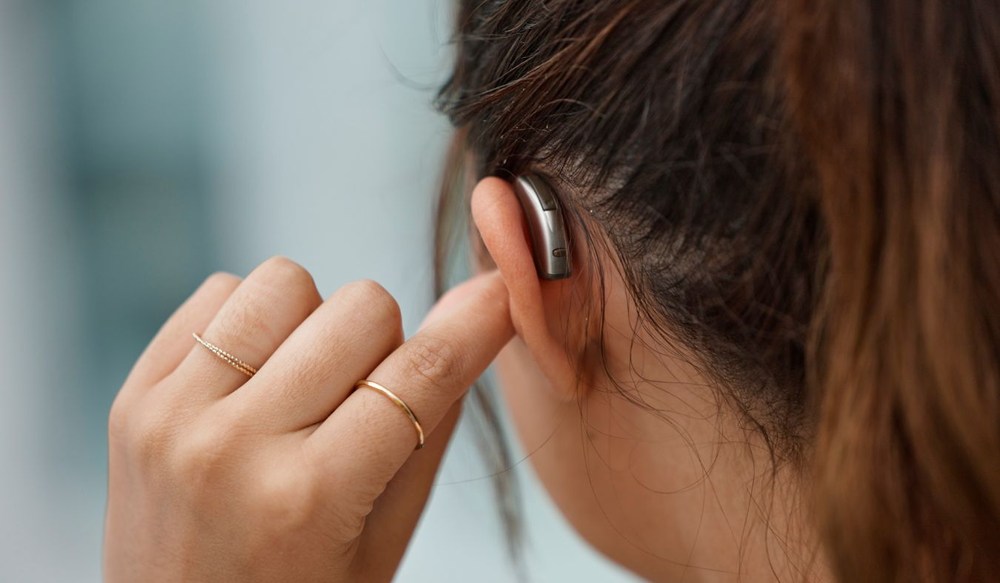
Modern technology has made it much easier for people with hearing loss to stay engaged in social situations. Hearing aids are the most common and effective tool, helping amplify speech and reduce background noise so conversations are clearer. Many modern hearing aids now connect wirelessly to smartphones, tablets and other devices, letting you adjust settings for different environments, from quiet coffee shops to busy family gatherings.
Some models also work with additional accessories, like personal microphones or streamers, which can transmit someone’s voice directly to your hearing aids. This can make a huge difference in noisy rooms or when multiple people are talking at once. There are even apps that can provide real-time captions or allow fine-tuned control over your hearing aid settings, giving you more flexibility and confidence in group settings.
Using these tools can transform the way you interact in social situations. With the right hearing aid technology and supportive devices, it’s easier to follow conversations, catch important details and feel included in every moment. These advances help you enjoy social activities without the stress or fatigue that hearing difficulties can sometimes bring.
Staying socially connected with hearing loss involves some planning and small changes to your routine. Choosing quieter places for conversations and letting friends know about your hearing needs can make group interactions easier.
Using assistive devices like hearing aids or speech-to-text apps helps you follow along during gatherings. Facing people when they speak and asking them to talk at a steady pace also supports better understanding.
Joining smaller groups or meeting in settings with less background noise may help you feel more comfortable. Letting others know what works best for you encourages clear communication and helps maintain strong relationships.
Understanding how hearing loss can influence everyday communication is empowering because it gives us a chance to take small, meaningful steps toward staying connected. Whether it’s using hearing aids, leaning on supportive loved ones or exploring modern technology that makes conversations clearer, there are ways to reduce the strain and make social interactions more enjoyable. Paying attention to changes in your hearing and how they affect your daily life helps you stay proactive, engaged and confident when talking with others.
If you notice that following conversations is becoming more difficult or social situations feel exhausting, reaching out for professional support can make a real difference. Contact Hearing Care Clinic to explore options tailored to your needs.
Tags: hearing health facts, impacts of untreated hearing loss, symptoms of hearing loss
Think about how many different places you go in a single day and how the
By: admin | February 20, 2026
Communication happens constantly throughout your day, often without you
By: admin | December 3, 2025